What Changes the Repair Scope
- Roof repair cost follows the cause and extent of the defect, including any wet decking beneath the covering.
- Roof pitch, height and access affect how your roofer reaches a pipe collar, valley or damaged shingle section.
- Matching materials, opening surrounding roofing and arranging a return visit can add work beyond the visible damaged area.
The Leak Source Determines the Repair Work
The leak source determines which materials need attention and how much surrounding roofing must be opened. A ceiling stain marks where water became visible indoors; the entry point may be farther up a slope. The repair scope therefore depends on tracing the route rather than treating only the spot above the stain.
Gable and Hip Roof Repairs Depend on Reach
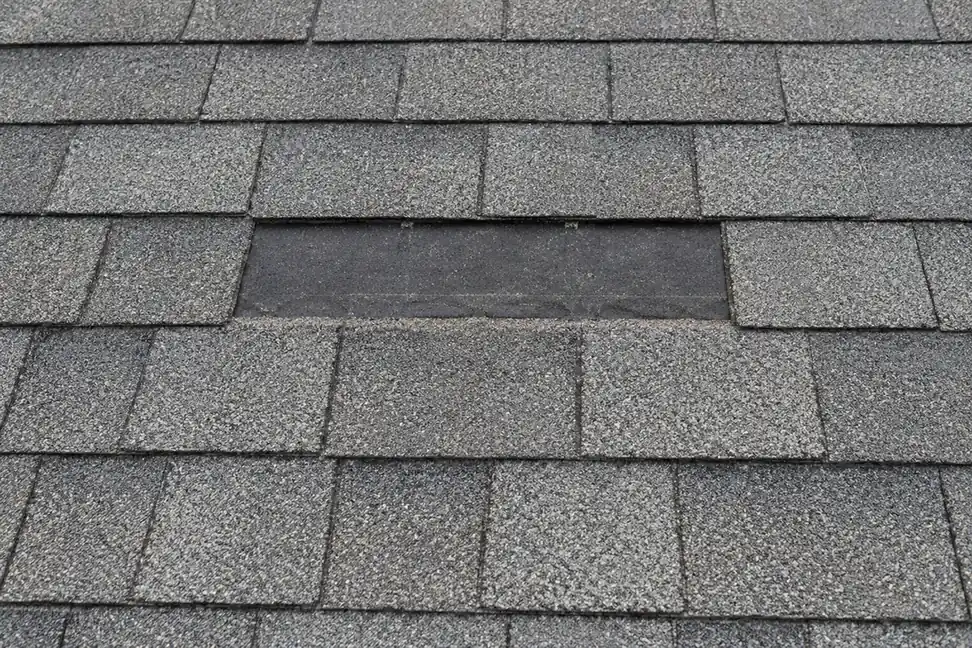
A damaged shingle on a broad gable slope may need a local repair when the surrounding shingles remain sound. The damaged area's size matters, but so does whether nearby shingles can be lifted without breaking. Matching the existing shingle's dimensions and appearance may require additional sourcing, and an older surface may not have a close color match.
On a hip roof, a defect beside a hip cap involves a different junction from damage in the middle of a slope. Pitch and height affect safe working positions on either roof type. A narrow side yard or a steep approach can complicate equipment placement even when the damaged section looks small from the ground.
What Changes the Cost of a Dormer Repair
At a dormer or valley, the roof repair price reflects the joint that failed and how much roofing surrounds it. A worn pipe collar, separated flashing, exposed nail head or deteriorated shingle can each let water enter. Your roofer needs to identify the cause before deciding which materials to open, replace and reconnect.
Roof leak repair cost also changes if inspection finds wet or weakened decking. Covering the surface defect alone does not address damaged support beneath it. The written scope should distinguish the visible repair from any additional decking work discovered when materials are lifted.
What Changes the Cost of Flat-Section Repairs
For a flat or low-slope section, repair work depends on the covering type, the affected joint and moisture beneath it. Materials and methods need to suit the existing covering. A porch seam, drain detail or junction with a steeper shingle roof raises different questions from a missing shingle. Ask whether the defect is confined to one joint or whether moisture has spread beneath a larger section.
| Repair type | What moves the price | What usually keeps it simple |
|---|---|---|
| Missing or worn shingles | Damaged area, brittle neighbors and matching material | A limited defect surrounded by sound shingles |
| Pipe collar or exposed nail head | Opening condition, surrounding roofing and access | A clear entry point with dry supporting material |
| Dormer or chimney flashing | Number of corners and removal of adjacent materials | A confined flashing defect with sound adjacent surfaces |
| Valley repair | Length affected, overlapping slopes and hidden moisture | Damage limited to one accessible section |
| Low-slope seam or transition | Covering type, compatibility and moisture spread | A localized seam issue on an otherwise sound covering |
Local Damage and Widespread Wear Need Different Decisions
A small repair addresses a limited defect in a roof that can still support a lasting connection. Widespread cracking, brittle shingles or recurring leaks across several slopes can point toward replacement. Ask your roofer to explain where the repair will end and why the surrounding roof can accept it. Compare roof repair with roof replacement when deterioration extends beyond one section.
A roof repair cost estimator cannot determine whether decking is dry or neighboring shingles will lift intact. An inspection can narrow those uncertainties. Material sourcing, a second work stage or a return visit may also affect the scope; ask what each visit includes and why it is needed.
Describe the Leak While You Call
The most useful call details are the stain's location, when dripping occurs, the roof's approximate age and its roof type. Say whether the stain sits beside a dormer wall, below a valley or beneath a rear addition. If the age is unknown, describe the visible condition instead. No measurements or photographs are needed to start the conversation.
Look from ground level and avoid roof access and ladders. Indoor photographs can show the stain without approaching a damaged ceiling. Move belongings and use a bucket beneath a drip only where safe. Stay away from a ceiling that sags or bulges. Leave a light switch off when water is near the fixture, and keep hands away from electrical parts.
The Written Scope Sets the Repair Boundary
A roof repair estimate should identify the cause, repair area, materials and access work, together with the process for hidden damage. One of our local roofing companies will explain those tasks and the price before repair work starts. A clear boundary helps you understand whether the proposal addresses one failed joint, a damaged slope or a broader roof problem.