New Kensington, Pennsylvania
Commercial Roofing in New Kensington, PA
Our local roofing professionals repair and replace commercial roofs in New Kensington, from flat membranes to pitched sections. Call about ponding, an open seam or water over a stockroom, and a commercial roofing specialist will take it from there.
- Calls answered 24/7
- Shops, offices, rentals
- Serving New Kensington and nearby
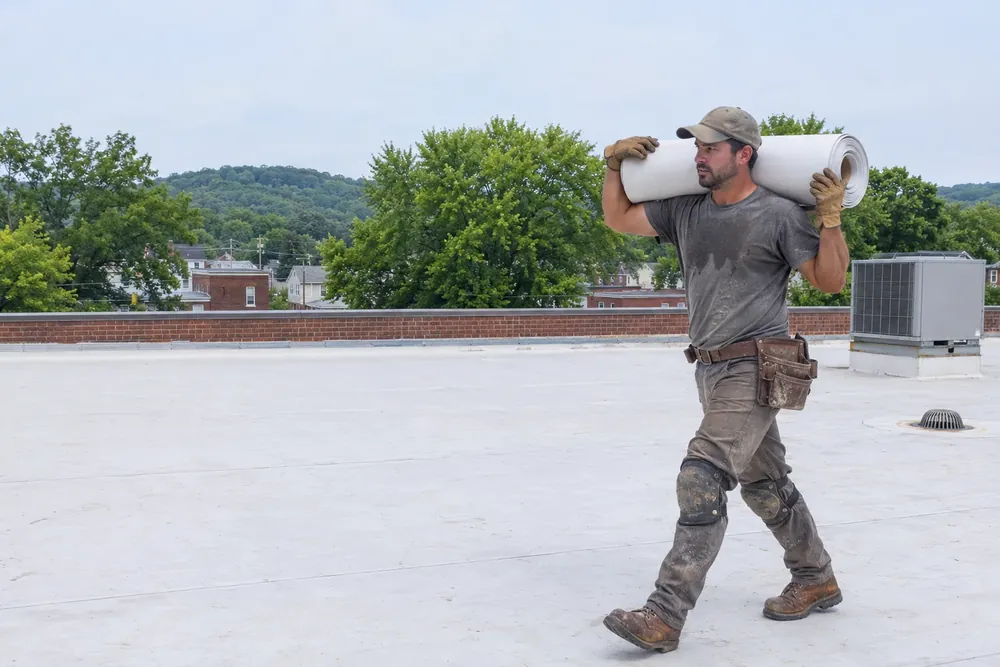
Roofing for Shops, Workplaces and Managed Buildings
- Shops and strip centers: Strip mall roof repair checks shared flat sections, parapet flashing and drainage while identifying the space beneath each leak.
- Office buildings: Low-slope office roof work follows seams and wall junctions, with access arrangements discussed for occupied entrances and work areas.
- Warehouses and light industrial: Warehouse roof repair addresses membrane or metal faults across large roof sections, including the paths water takes toward drains.
- Apartments and condos: Condo roofing and apartment work bring several roofs into one call, with sections and affected units named for the manager.
- Churches and schools: Pitched gables and adjoining flat sections receive separate checks where different roof materials meet above occupied rooms.
- Restaurants: Roof leaks over kitchens and dining rooms are traced through the roof assembly, with the affected indoor area identified clearly.
- Medical and dental offices: Roofing work accounts for low-slope edges and penetrations while the manager describes occupied rooms beneath the affected section.
- Storage buildings and workshops: Metal laps, fasteners or membrane seams are assessed according to the roof covering and the building's drainage layout.
- Older commercial blocks and rentals: A property manager can describe pitched fronts, flat rear sections and adjoining walls together so the repair scope identifies each roof area.
By roof type
Commercial Roof Types and Their Repair Checks
Most commercial roofs are flat or low-slope, so the covering and drainage layout decide the repair questions; the call helps your roofer identify which details need checking.
| Roof type | What it looks like | What it raises |
|---|---|---|
| Flat single-ply membrane (TPO or EPDM) | Roof layouts to discuss for shops, offices and apartments | Your roofer checks open seams, punctures and the connections at drains and parapets, identifying whether the membrane is TPO or EPDM before selecting repair materials. |
| Modified bitumen or built-up flat roof | Roof sections to discuss for commercial blocks, workshops and storage buildings | Are there splits, blisters or failed laps, and is water getting beneath the surface where a wall or drain interrupts the roof? |
| Metal panel or low-slope metal roof | Roof coverings to discuss for warehouses and light industrial buildings | Panel laps, fastenings and edge flashing need assessment, along with whether the roof sheds water away from joints and adjoining walls. |
| Pitched roof on an older commercial block, church or apartment building | Sloping sections above occupied rooms or beside flatter additions | Your roofer examines gables, hips, valleys and roof-to-wall joints, keeping the pitched roof's repair needs distinct from those of any attached membrane section. |
Your roofer inspects the covering and roof layout on site to match the repair method to the actual building.
Roof Leaks, Open Seams and Drainage Problems
| What you notice | Likely cause | What to do |
|---|---|---|
| Water remaining on a flat section in existing photos | Restricted drainage or an uneven roof surface | Call about the observed ponding without going onto the roof. |
| A seam opening in an earlier inspection photo | Separation at a lap or flashing junction | Share the photo and the affected building section. |
| A leak over a stockroom, kitchen or classroom | A fault in the covering, drain connection or flashing | Keep occupants and stock away from the wet area. |
| Blisters or cracks recorded during roof maintenance | Deterioration or moisture beneath the surface | Describe the earlier findings when arranging roofing work. |
- Ponding and outlets: Your roofer checks drains and scuppers, the openings through edge walls, rather than asking a manager to clear them.
- Seams and flashing: Wall junctions, curbs and drains need close checks where separate roof details meet.
- Membrane movement: Shrinking or cracked sections need their condition assessed before a repair material is selected.
- Worn coatings: Surface wear calls for checking the underlying roof, since adding coating alone may leave the leak source untreated.
Repair, Restore or Replace the Commercial Roof
The extent of the failure and the condition underneath determine which roofing option fits.
| Option | When it fits | What it involves |
|---|---|---|
| Repair the failed spot | Damage is limited and the surrounding roof remains serviceable | Repairing an identified seam, flashing junction or puncture with materials compatible with the existing covering. |
| Renew seams or apply a protective surface treatment | The roof remains sound enough to retain and suits the proposed treatment | Preparing the surface, addressing defective details and applying a suitable coating or renewing seams where appropriate. |
| Replace or re-cover the roof | Deterioration is widespread or repeated repairs leave unresolved problems | Assessing the deck and existing layers, then deciding whether removal or a suitable new covering over the existing roof fits. |
Your roofer examines each affected section and explains which option suits the building's roof condition.
The Commercial Roofing Call and Job Sequence
- Describe the building: Call with the building type, leak location and whether the space is occupied; share the roof's age if known.
- Discuss site needs: A commercial roofing specialist takes the conversation forward, asking about flat or pitched sections, access and business operations.
- Agree the scope: Your roofer examines the covering and drainage details, then explains the work and price for approval before starting.
- Complete and record: Roofing work ends with cleanup and a final walk-around from safe areas; ask for photos and the written scope for your building file.
Roofing Records for Owners and Property Managers
Keep a building file that identifies the roof sections inspected and the work completed.
- Dated photos: Save your ground-level or indoor photos alongside roof photos supplied by your roofer, with the affected area identified.
- Written scope: Retain a description naming each repair location, including separate flat, pitched or adjoining sections.
- System and materials: Record the roof covering and repair materials so later work can account for the existing assembly.
- Receipts: File the job receipts with the building name and the work description for business records.
- Simple log: Note the date, building, observed problem and completed work so future managers can follow the roof's history.
Commercial Roofing Cost Factors in New Kensington
| What changes | Why it moves the work |
|---|---|
| System type and condition | EPDM roof repair uses a different approach from modified bitumen roof repair, and underlying deterioration changes the scope. |
| Size and separate roof sections | Several flat areas or a pitched section beside a membrane roof require distinct measurements and repair details. |
| Drains, edges and penetrations | Each junction adds preparation and fitting around the points where the covering changes direction. |
| Removal, access and operations | Existing layers, lift or ladder access and work arrangements around business hours affect how the job is organized. |
For repairs or a larger project, one of our local roofing partners sets out the scope and price before work begins, including any relevant roof replacement cost factors.
Why Building Managers Call New Kensington Roofer
- Calls answered 24/7: Describe a leak over a shop floor, office or apartment whenever it becomes apparent, without needing a roof inspection first.
- Local roofing contact: A local roofing specialist discusses your building's covering and drainage layout, keeping the conversation focused on the roof problem.
- Clear work scope: Your roofer explains the affected flat or pitched sections and the price before any agreed work starts.
- Useful building records: Photos, material details and the written scope help owners and managers track completed roofing work across separate buildings.
- Surrounding towns covered: New Kensington and nearby towns are served for commercial roofing, with the building type and roof details discussed on the call.
Keep Occupants Clear of Roof Leak Hazards
Keep people and stock away from the area beneath a leaking roof while arranging roofing help.
Wet floors create walking hazards, so block off the affected space and keep routes dry. Move stock only from a safe, dry location, and keep everyone clear of sagging ceiling sections.
Leave wet electrical equipment, fixtures and panels alone for an electrician to assess; do not touch them or move equipment through water to protect it.
Roof access requires fall precautions, so owners, staff and tenants should remain off the roof and leave inspection to your roofer. Call about the affected rooms and roof sections, using existing records or photos taken safely from inside to describe the problem.
House Roof Repairs and Replacements Too
The same number covers house roof repairs, leaks and replacements for owners, managers and staff around New Kensington; the home roofing pages follow below.
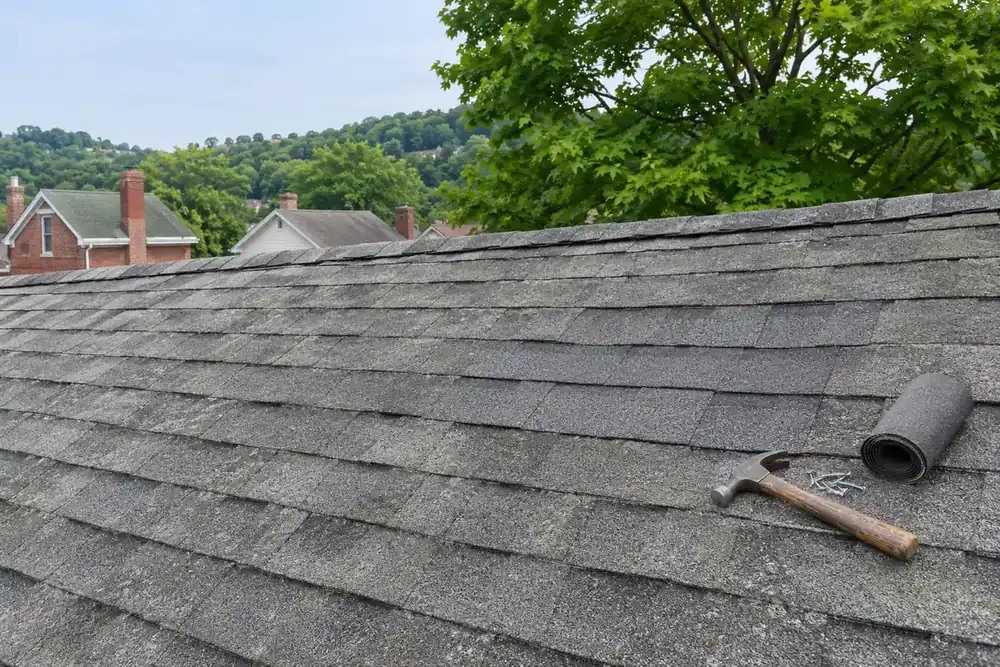
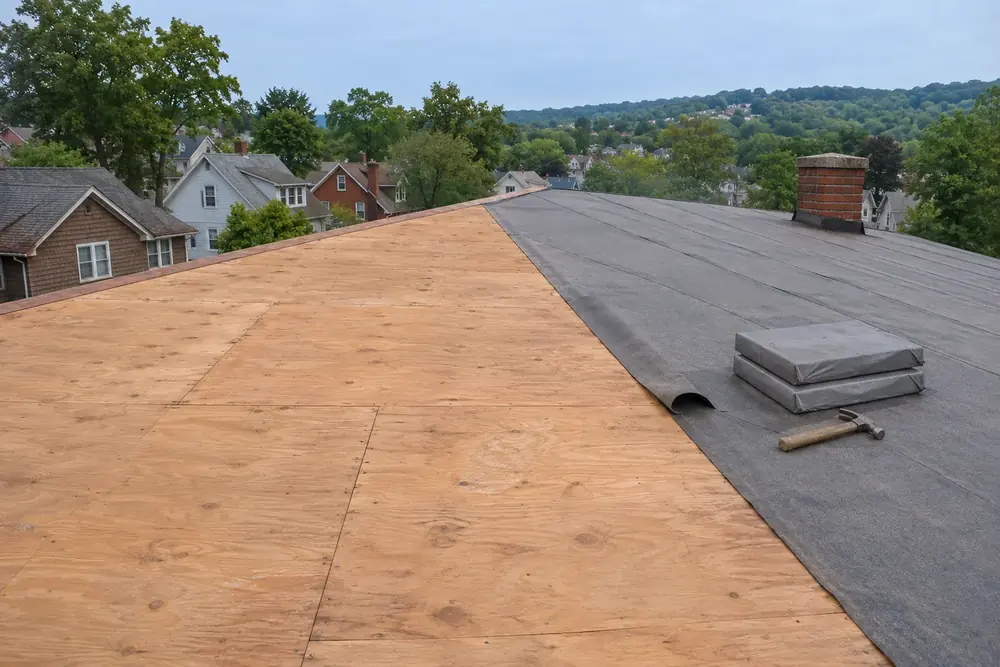
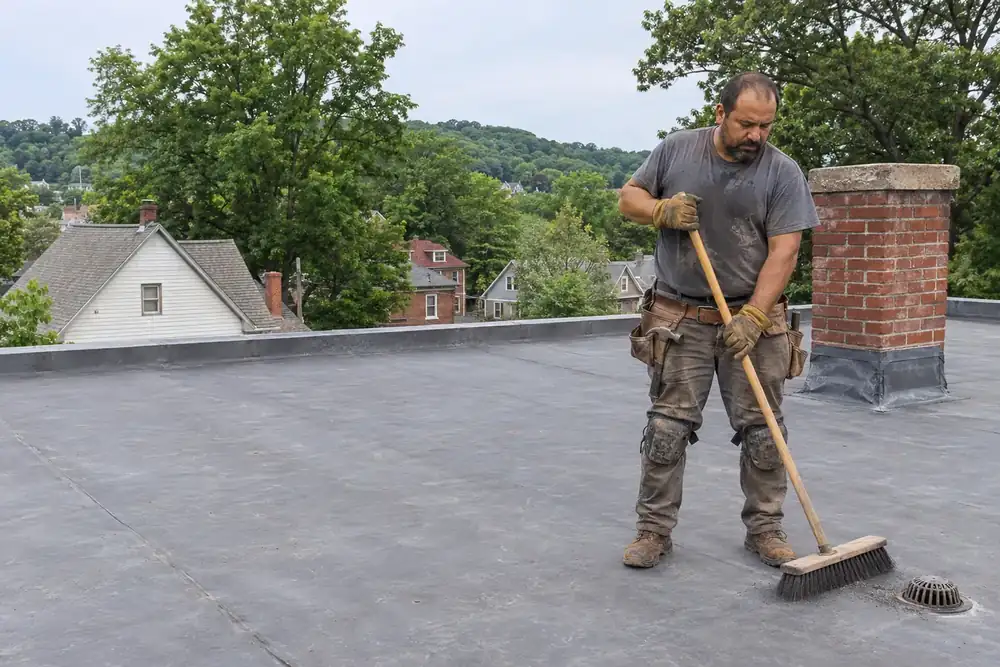
Commercial Roof Service in and Around New Kensington
Owners, landlords and property managers in New Kensington and nearby towns can call about commercial roof repairs, surface restoration or replacement across flat and pitched sections.
Commercial Roofing FAQs
What is TPO roof repair, and which other commercial roofs are covered?
TPO repair addresses faults in a single-ply membrane, such as an open seam, puncture or leaking flashing detail. Commercial roof work also covers EPDM, modified bitumen, built-up coverings, metal panels and pitched roofs on offices, churches or apartments. Your roofer identifies the covering before choosing the repair method and materials.
Does the same number connect me with commercial roofing contractors nearby?
Yes, the same number handles commercial roofing as well as house roofs. Describe the building, the roof layout and the space beneath the leak. A roofing specialist discusses the details, your roofer inspects the roof and explains the scope and price, and the agreed work ends with cleanup; ask for photos and the written scope for your building file.
What should a manager do about ponding or an open seam?
Call about the observed ponding or open seam and keep staff off the roof. Share existing inspection photos or explain where water appears indoors, without arranging another rooftop look yourself. Your roofer checks the drainage path, covering and flashing to identify whether the problem is confined to one section or extends farther.
Can a commercial roof keep serving after a repair?
A commercial roof can remain in service after repairs when the failure is limited and the surrounding assembly is sound. Open seams need a different assessment from widespread deterioration across several sections. Your roofer checks the covering and deck condition before explaining whether repair, surface restoration or replacement suits the building.
Which roofing records help a property manager later?
Keep the dated photos, written scope, material details, receipts and a short log of the completed work. Label each record with the building and roof section, especially where flat additions meet pitched roofs. Photos supplied by your roofer can document areas that owners and managers should not visit themselves during an inspection.
What changes commercial roofing costs and work planning?
Roof size, system type, existing layers, deck condition, drainage details and access change the work involved. Business hours also affect planning, so discuss occupied rooms and deliveries during the call. Winter work depends on safe roof access and the materials' application requirements; your roofer considers those limits when setting out the proposed work.
Property managers and building owners around New Kensington: call now about the leaking flat section, open seam or pitched roof junction.
Call (724) 304-8026