New Kensington, Pennsylvania
Roof Replacement in New Kensington, PA
Our local roofing professionals replace worn roof coverings in New Kensington, from a gable's broad slopes to the joints around dormers. Call about repeated patches or shingles wearing across several sections, and your roofer takes the next steps with you.
- Calls answered 24/7
- New roofs
- Serving New Kensington and nearby
What a Full Roof Replacement Includes
Roof replacement companies should describe the work planned for each roof section.
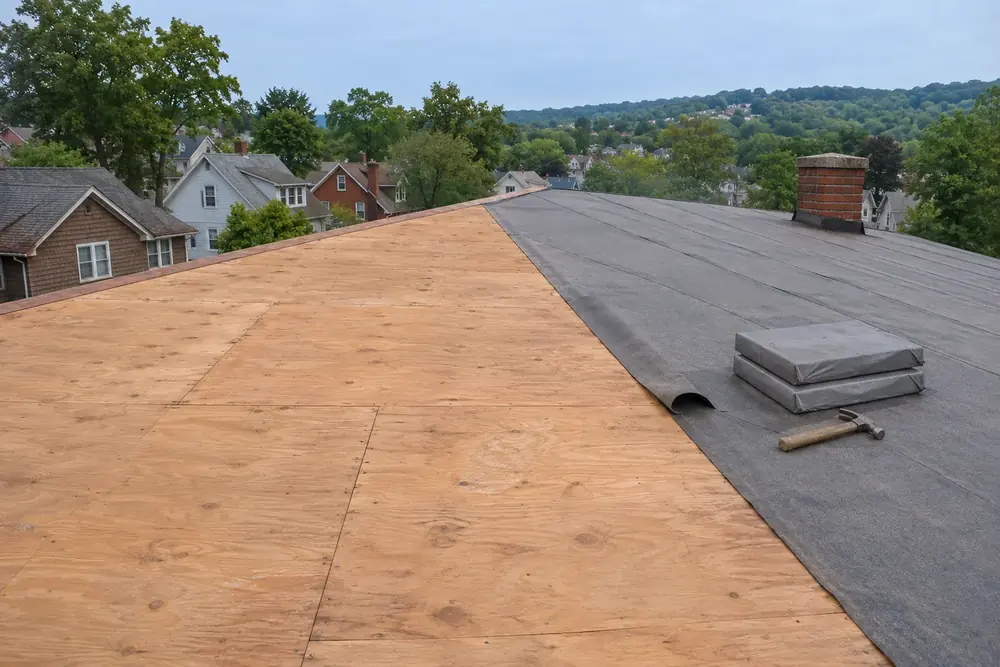
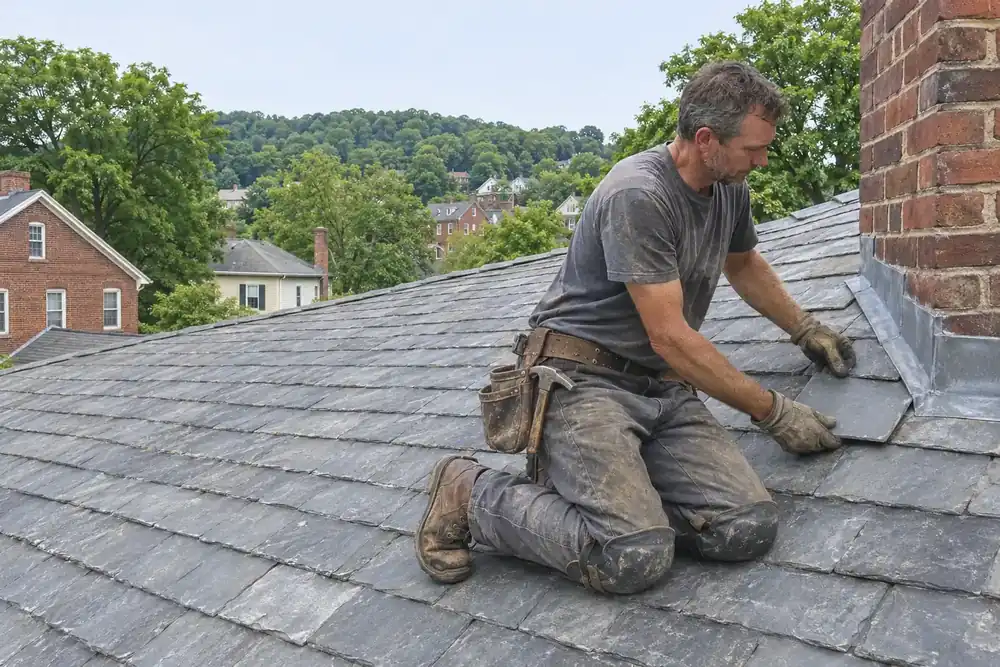
- Remove the covering. Your roofer tears off the old roofing and hauls the debris away, exposing the deck beneath each slope.
- Inspect the decking. Every sheet gets checked for softness or deterioration, with damaged sheets replaced so the new covering has firm support.
- Protect the edges. Metal drip edge follows the eaves and rakes, directing runoff away from the exposed edges of the deck.
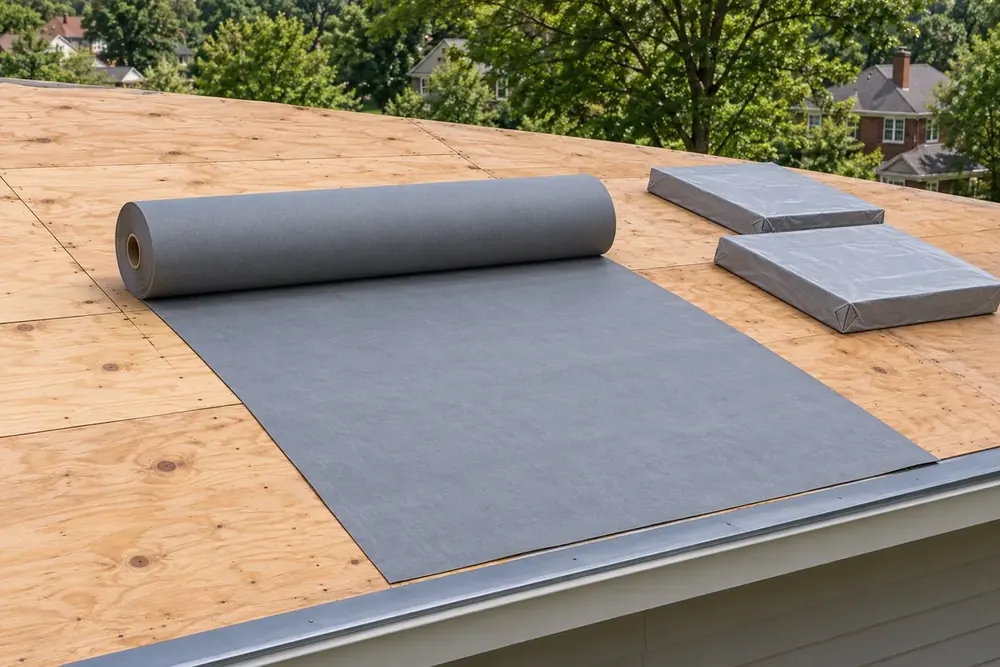
- Cover the deck. Underlayment covers the whole deck, with a leak barrier added at valleys and around pipes or other openings.
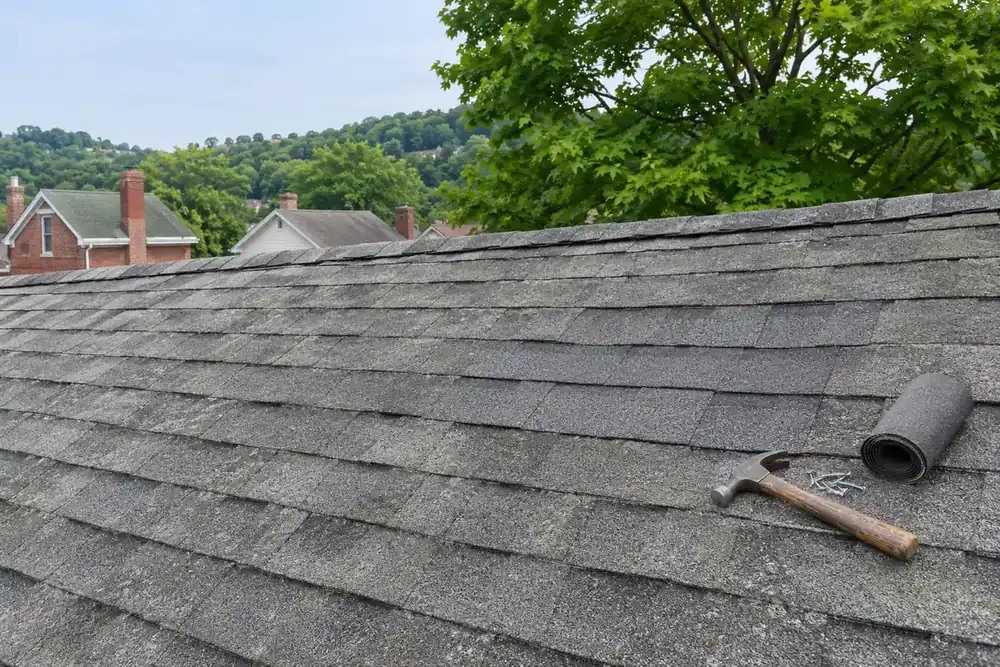
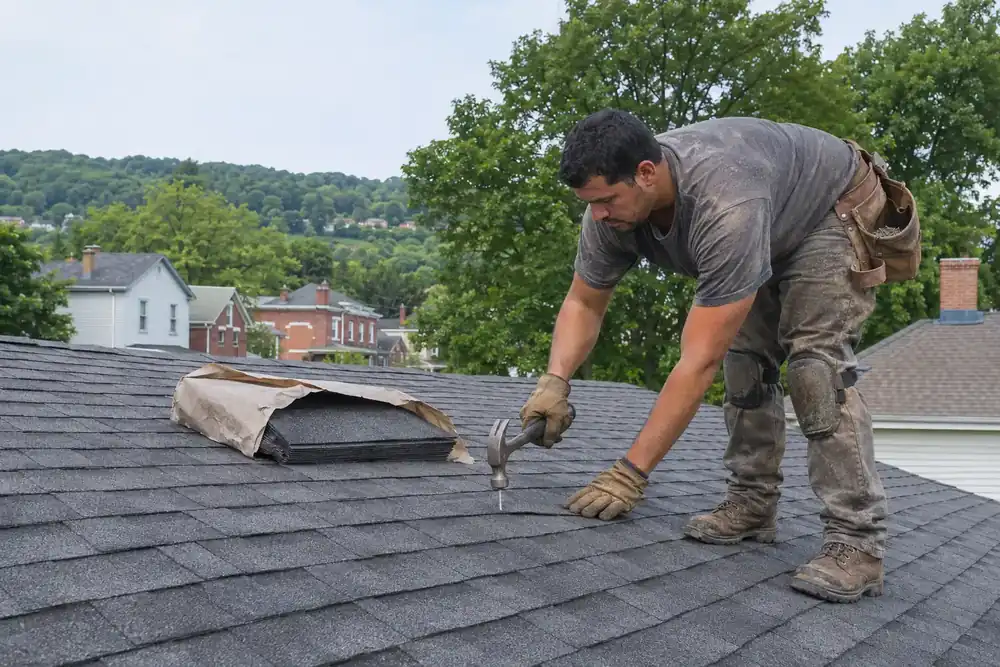
- Lay the shingles. Starter strips begin the eaves and rakes, followed by new shingles laid in rows suited to the roof's pitch.
- Finish the joints. Flashing addresses walls, chimneys and dormers, while vents and ridge caps complete the upper sections and roof openings.
- Clear the site. Final cleanup includes a magnet sweep for loose nails and a ground-level walk-around of the areas used during the job.
By roof type
Replacement Work on Gable, Hip and Flat Roofs
Roof type decides which questions come up for roof replacement, including how different sections join. During the call, your roofer asks about slopes, additions and the places needing separate attention.
| Roof type | What it looks like | What it raises |
|---|---|---|
| gable roof | Two pitched surfaces descend from a shared ridge. | Two uninterrupted slopes usually make the simplest tear-off layout, with a long ridge to finish. Does a chimney or rear addition interrupt either slope and need its own line in the scope? |
| hip roof | Roof planes slope toward every outside wall and meet at raised corners. | More hips, ridge ends and angled cuts mean additional fitting work. Your roofer checks how the shingle courses meet at each corner and how the caps connect above them. |
| low-slope or flat roof | The roof surface is nearly horizontal or gently inclined. | Does the shallow section need a different covering from the pitched roof? The scope should distinguish its material, drainage and connection to the higher roof. |
| dormers and valleys | Window projections rise from the roof, while intersecting slopes form inward channels. | Where roof planes meet, cuts and flashing need particular attention. Which walls, valley channels and corners must be opened and rebuilt together? |
Your roofer examines the roof layout on site and identifies the work belonging to each section.
Clues That Point Toward Roof Replacement
| What you see | What it usually points to | What to do |
|---|---|---|
| Patch after patch across several slopes | Problems extending beyond one isolated joint or opening | Call and describe where earlier repairs were made, using whatever details you already remember. |
| Curling, cracked or bald shingles | Wear in the covering that may affect more than its appearance | Describe the areas visible from the ground; leave close inspection to your roofer. |
| Leaks in several places | Multiple entry points or broader deterioration beneath the covering | Share which rooms have stains and move belongings away from active drips. |
| Stains appearing across several rooms | Water taking different paths through the roof assembly | Take indoor photos from a safe position and mention any ceiling movement during the call. |
These signs are a starting point for discussing the roof's condition; nothing in the table needs sorting out before calling.
From Your Call to the Finished Roof
- Describe the roof. Call with what the roof is doing and any roof type you recognize, such as a gable, hip or shallow addition.
- Connect about replacement. New Kensington Roofer connects your call with a roof replacement company to discuss the sections involved and arrange the roof assessment.
- Review the scope. Your roofer inspects the covering and explains the proposed materials, decking decisions and price before work begins.
- Complete the job. Your roofer replaces the agreed sections, clears debris and finishes with a walk-around covering the work and cleanup.
What Changes Roof Replacement Costs in New Kensington
| What changes | Why it moves the work |
|---|---|
| Roof area and pitch | More surface needs more material, while steeper slopes change access and handling. |
| Old layers and soft decking | Additional tear-off creates more debris; deteriorated sheets add deck replacement work. |
| Shingle line and color | Product selection changes the materials ordered and how separate roof sections match. |
| Hips, valleys, dormers and openings | Extra intersections need more cuts, flashing pieces and careful fitting around walls or pipes. |
| Access on a steep lot | Space for a dumpster and movement around the house changes removal and material handling. |
One of our local roofing partners explains the scope and price before starting, including the replacement cost factors that apply to your roof.
Keep Clear of Roof Work and Weak Areas
Stay off the roof and ladders; ladder falls can cause serious injury.
Keep children and pets away from the yard during tear-off, since falling objects can pose hazards around construction work. Before work starts, move cars, grills and patio furniture away from the eaves, and remove fragile items from walls beneath the work.
Stay out of the attic beneath a sagging area and keep clear of bulging ceilings because wet ceiling material can become dangerously heavy. Call now to discuss those concerns; your roofer can explain how the work area will be kept clear.
Other Work for Your Roof
Roof Replacement Around New Kensington
Roof replacement near New Kensington and in surrounding towns starts with a conversation about the main roof, its additions and the condition of each covering.
Roof Replacement FAQs
When should I replace a roof rather than repair it?
Replacement deserves consideration when wear or repeated leaks extend across several sections rather than one failed part. Your roofer checks the covering, deck and joints to compare that option with a focused repair. A sound gable slope beside a leaking porch may call for different work on each section.
What happens during a roof replacement service from call to cleanup?
The job moves from discussing the roof to an inspection, an agreed scope, removal, installation and cleanup. Your roofer identifies the materials for pitched and shallow sections, explains the price before work and walks through the finished job with you. The written scope should make decking decisions and flashing work clear.
Which parts of the roof replacement job change the price?
Surface area, pitch, old layers, decking condition, materials and access all affect the price. A hip roof adds angled cuts and cap work, while dormers add wall flashing and corners. Your roofer explains those differences in the scope so you can see how each roof section affects the work.
Is winter roof replacement possible?
Yes, winter replacement is possible when roof conditions and the chosen material's installation requirements allow the work. Winter weather calls for precautions when installing shingles in cold temperatures. Your roofer assesses the surface and materials; you can call about a worn roof during any season.
Are gutters and fascia automatically part of replacing the roof?
Gutters and fascia are separate items unless the agreed scope includes them. Your roofer checks their condition where the covering meets the eaves and identifies any related work. Discuss a dripping gutter, loose edge or visibly damaged fascia on the call so the roof assessment addresses those connections.
Call about roof replacement and describe the worn slopes, flatter sections or repeated patches you want your roofer to assess.
Call (724) 304-8026